
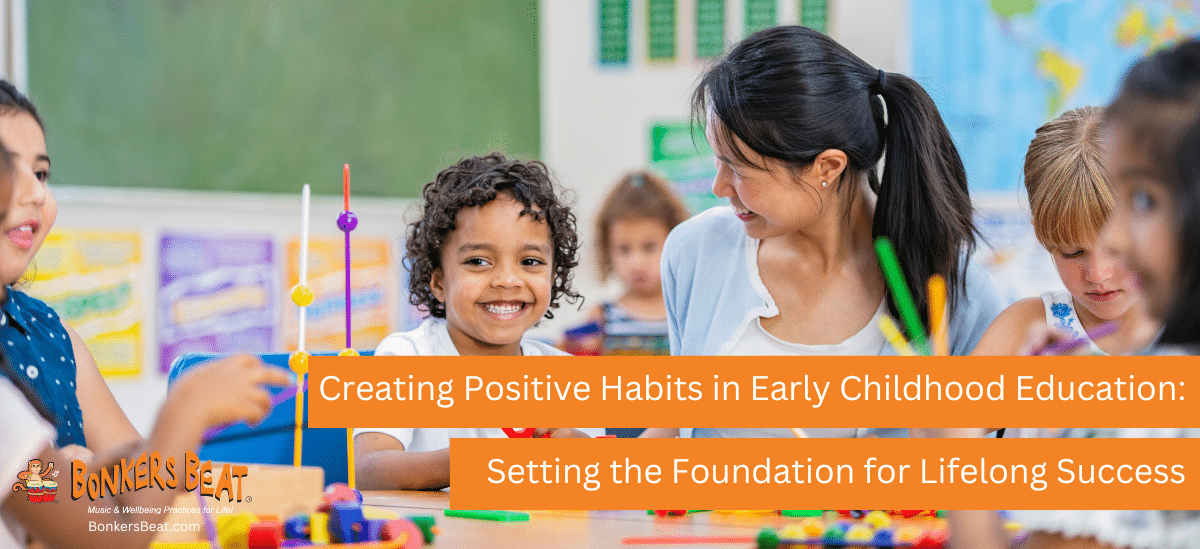
From the moment children step into an early childhood setting, they are absorbing everything around them — routines, behaviours, and habits that will shape their development.
Early childhood is a crucial time for building positive habits that will support children’s emotional, social, and cognitive growth.
So, how can educators and families nurture these habits in a way that feels natural, engaging, and sustainable?
The Power of Routine and Consistency
Young children thrive on predictability. Daily routines provide structure and security, helping them understand what to expect and how to navigate their world. Whether it’s a morning greeting song, a tidy-up routine, or a mindfulness moment before lunch, consistent habits help children develop self-regulation, confidence, and independence.
Tip: Start small. Introduce one positive habit at a time such as washing hands before meals or taking deep breaths when feeling overwhelmed. Celebrate each success to reinforce the habit.
Encouraging Social and Emotional Wellbeing
Positive habits aren’t just about practical skills; they extend to emotional resilience and relationships. Teaching children kindness, gratitude, and problem-solving in everyday interactions helps them develop emotional intelligence.
Tips:
- Model gratitude by incorporating ‘thank you’ circles where children share something they appreciate.
- Use role-play and storytelling to teach conflict resolution and empathy.
- Create a calm-down corner where children can self-regulate with breathing exercises or quiet activities.
Healthy Bodies, Healthy Minds
Physical health is closely linked to learning and behaviour. Encouraging active play, nutritious eating, and rest supports children’s overall wellbeing. Incorporating movement breaks, dance, and outdoor play not only boosts physical health but also improves focus and mood.
Tip: Make healthy habits fun! Turn handwashing into a song, or create a ‘yoga time’ routine with simple poses children can do together (our Yoga Cards can help!)
Leading by Example
Children learn best by observing those around them. Educators and caregivers play a vital role in modelling positive habits. When adults demonstrate patience, perseverance, and positivity, children naturally mirror these behaviours.
Tip: How do your habits shape the learning environment? Taking small steps to model mindfulness, kindness, and a love for learning can make a lasting impact.
Creating Positive Habits with Bonkers Beat
At Bonkers Beat, we believe in harnessing the power of music, movement, and mindfulness to instill positive lifelong habits in children. That’s why our programs support educators and families in building meaningful routines that encourage growth and happiness.
Looking for more inspiration? Explore our resources and programs designed to support positive habits and development in early childhood education and beyond: www.bonkersbeat.com.