
In early childhood education, there is often the sense of pressure to do more.
More activities. More learning opportunities. More one-on-one or group time.
While all of these things have their place, they can sometimes distract from something far more powerful: what is already happening throughout the day.
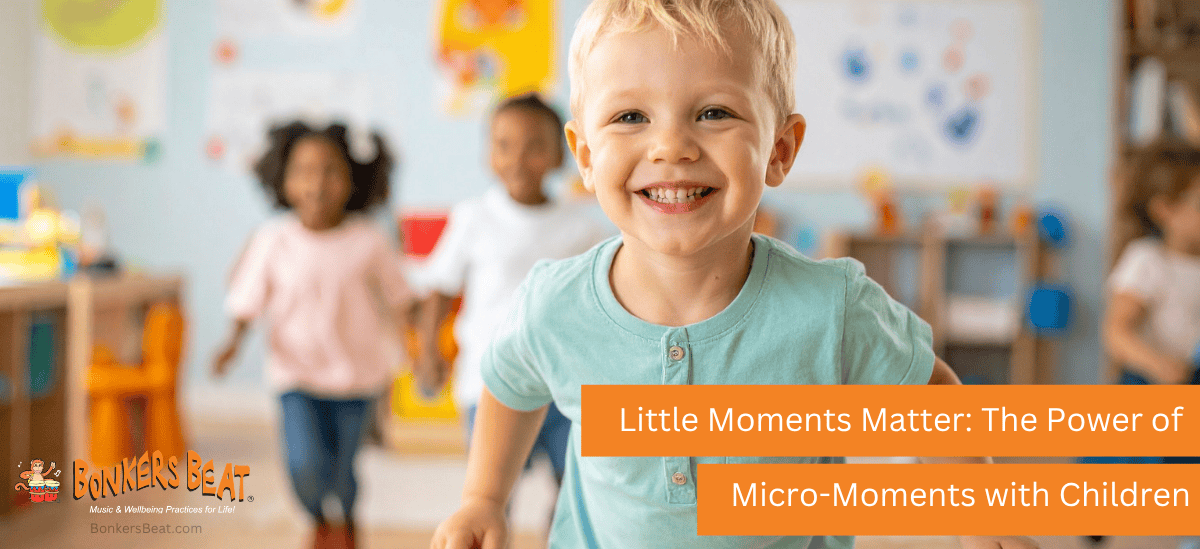
Meaningful connection with children is not built in big, planned moments. It is built in the small, everyday interactions that weave naturally into routines. These are what we call micro-moments.
What are micro-moments?
Quality of care isn’t necessarily about more time, but better moments.
Micro-moments are the brief, often overlooked interactions that happen during the natural rhythm of the day.
They occur in the in-between:
- Moving from one activity to another
- Sitting down for meals
- Packing away toys
- Arriving in the morning or heading home in the afternoon
They are not something extra to plan for or squeeze in. They are already there, quietly offering opportunities for connection, reassurance and learning.
Why they matter more than we think
Children experience their world through relationships and interactions. While structured activities support development, it is the quality of interactions that shapes how children feel: about themselves, about others and about their environment.
A short moment of genuine attention can have a lasting impact. When an educator or parent slows down, makes eye contact and responds with warmth, it reinforces a child’s sense of belonging and security.
Over time, these small interactions build trust. They support emotional regulation. They create a sense of being seen and valued.
Importantly, they also model how to connect with others which is something children carry with them far beyond the early years.
Finding connection in everyday routines
The beauty of micro-moments is that they do not require more time, only more intention! Here’s where to try to capture them:
Transitions
Transitions are full of opportunity. Take a moment to acknowledge a child as they move between activities by using their name, offering a smile or a brief comment. This can help them feel grounded and supported. At Bonkers Beat we use transitional songs too, which are not only effective but facilitate connection and joy as well.
Mealtimes
Shared meals naturally invite conversation and connection. Sitting alongside children, engaging in simple back-and-forth dialogue and showing interest in their thoughts helps create a relaxed and inclusive atmosphere. Incorporate mindful eating here by talking about the smell, taste or textures of foods as you enjoy them.
Pack-up time
Rather than viewing pack-up as a task to complete, it can become a moment of shared responsibility. Working alongside children, noticing their efforts and encouraging teamwork can turn a routine into a meaningful interaction.
Arrivals and departures
These moments often set the tone for a child’s day. A calm, genuine greeting can help a child feel safe and welcomed, while a thoughtful goodbye supports a smooth transition home. For families, these small interactions also build trust and a sense of partnership.
For educators: a shift in focus
Focusing on micro-moments is not about adding more to an already full day. It is about recognising the value of what is already happening.
By becoming more present in these everyday interactions, educators can elevate the quality of care without increasing workload.
For parents: the same principle applies
At home, these moments are just as important.
Connection happens in the car on the way to school, during dinner preparation, or in the quiet moments before bed. A brief conversation, a shared laugh or simply giving full attention, even for a short time, can strengthen relationships in meaningful ways.
Children do not need constant attention. They need moments of genuine connection.
A simple but powerful reminder
Not every moment will be perfect, and that is completely okay.
What matters is the overall pattern a child experiences which will hopefully include moments of warmth, responsiveness and care woven throughout their day.
When we begin to notice and value these micro-moments, we often realise they are where the most important work is happening.
Looking to support connection and engagement in your setting?
Bonkers Beat resources are designed to fit naturally into your day, helping you make the most of the moments that matter, without adding extra pressure to your program. Learn more here.