
With this Sunday being Mother’s Day, we’ve been doing a lot of exploring the importance of celebrating mums and maternal caregivers in children’s lives. Those relationships are deeply meaningful and they play a crucial role in the bigger picture too.
After all – in early childhood, relationships shape everything.
They influence how children learn, how they connect with others, and how they begin to see themselves. And importantly, these early experiences don’t stay in the early years, but carry forward into school and beyond.
It’s also worth recognising that these relationships extend beyond the home. In Australia, women make up around 95% of the early childhood education and care workforce. That means, for many children, the relationships they build with female educators are a consistent and influential part of their everyday lives.
The role of women in shaping early experiences
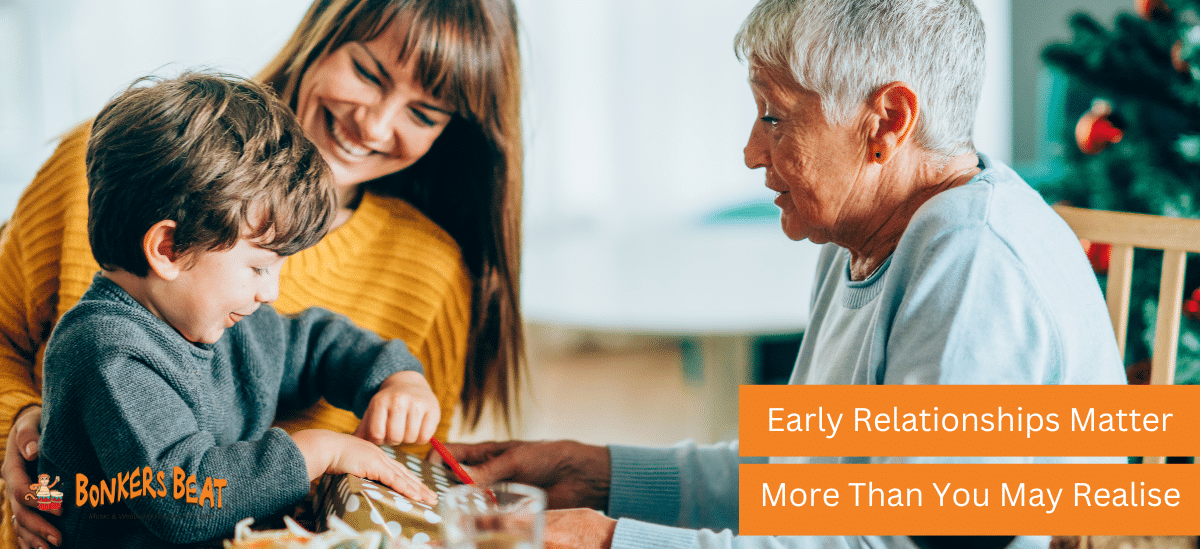
From mums and grandmothers to educators and carers, women often play a central role in a child’s early world.
These relationships aren’t just about care – they’re about modelling. Through everyday interactions, children are learning how to communicate, how to regulate emotions, how to navigate social situations, and how to feel secure in their environment.
What might feel like routine moments – helping a child through a transition, listening to a story, offering reassurance – are actually shaping how that child experiences the world.
And because these interactions happen consistently, they build something powerful: trust.
Why relationships matter so deeply in the early years
Children learn best when they feel safe, supported, and connected.
Strong relationships provide that foundation. They allow children to:
• Take risks in their learning
• Express themselves more freely
• Build confidence in social situations
• Develop resilience when things feel challenging
Without that sense of connection, learning becomes harder. With it, children are far more open, engaged, and willing to participate.
This is why relationships are so foundational for early learning, not an extra, but the starting point for everything else.
Nurturing meaningful connections in everyday practice
The good news is that building strong relationships doesn’t require grand gestures. It happens everyday.
It’s in:
• Taking the time to listen
• Being present and responsive
• Creating predictable, consistent routines
• Offering encouragement and reassurance
• Allowing children to feel seen and valued
These small, repeated interactions are what create a sense of belonging, and belonging is what supports children to thrive.
For educators, this is both a responsibility and an opportunity. The relationships formed in early learning settings can have a lasting impact, not just on how children experience their day-to-day environment, but on how they approach learning and relationships into the future.
More than just a moment
While special days like Mother’s Day invite us to pause and celebrate, the impact of these relationships continues far beyond a single day.
If you’re looking for inspiration, you can explore our Mother’s Day celebration ideas in last week’s blog.
It’s the everyday moments that truly matter—each conversation, each connection, each chance for a child to feel seen and supported all adds up over time.