
Outdoor Learning in Early Childhood: Benefits and Best Practices

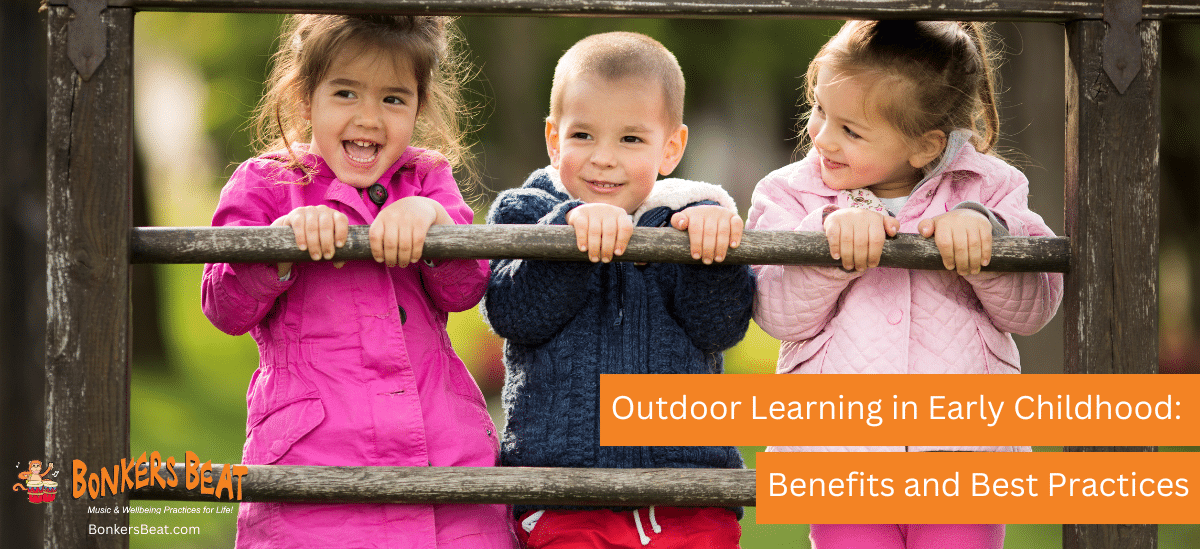
The great outdoors is a rich and dynamic environment that offers endless opportunities for learning and development in early childhood.

From fostering curiosity and exploration to encouraging physical activity, outdoor learning plays a vital role in shaping well-rounded children. 

Why Learning Outdoors is So Great

The research around the benefits of time spent outdoors shows that it really is a must! Let’s look at a few reasons to consider incorporating more outdoor learning in services.

  • Boosts Physical Development

Outdoor play provides children with opportunities to run, jump, climb, and balance, which are crucial for developing gross motor skills. Activities like digging in the sand, balancing on logs, or climbing also help enhance coordination and strength.

  • Enhances Emotional Wellbeing

Spending time outdoors has been shown to reduce stress and anxiety in both children and adults. Nature’s calming influence can help children regulate their emotions and foster a sense of freedom and creativity.

  • Encourages Curiosity and Exploration

Nature’s unpredictability is one of its greatest assets. Children can learn about weather, seasons, animals, and plants simply by observing and interacting with their environment. This hands-on, sensory-rich experience promotes cognitive development and problem-solving skills.

  • Improves Social Skills

Outdoor learning environments often encourage collaboration and teamwork. Whether building a fort, gardening, or playing imaginative games, children learn to work together, negotiate, and share responsibilities.

Ideas to Take the Fun Outside!

Nature Art
Provide children with paint, paper, and natural objects like leaves, sticks, or stones to create unique artwork.

Outdoor Storytime
Take a favourite book outside and read under a tree or on a picnic blanket.

Gardening
Start a small garden where children can plant, water, and observe the growth of flowers or vegetables.

Scavenger Hunts
Create a list of natural items for children to find, such as “something green” or “a round rock.”

Obstacle Courses
Set up a series of challenges using natural materials like lowegs to balance on, stones to jump between, or sticks to weave around.

Weather Experiments
Teach children about the weather by building wind chimes, measuring rainfall, or observing how shadows change throughout the day.

Outdoor learning in early childhood is more than just play — it’s an essential part of fostering development, wellbeing, and a love for nature. By embracing the outdoors, educators and families can provide children with a dynamic and holistic learning experience that enriches their minds, bodies, and spirits.

Discover our Four Seasons printable resources – a perfect tool to inspire children to connect with nature, explore seasons and learn through play.

Share This

Related Posts