

Resilience is one of the most valuable tools we can give young children — the ability to face challenges, manage emotions, and keep going when things don’t go their way.
With the right support from educators and families, resilience can be nurtured through everyday interactions, routines, and simple, thoughtful conversations.
Here are some practical ways to help build emotional resilience in the early years.
Keep routines steady and predictable
For young children, a consistent routine provides more than just structure — it offers a sense of security. Knowing what to expect helps them feel safe, especially during times of change or uncertainty.
Try this:
- Use pictures or a visual schedule to show what’s happening next.
- Talk through the day’s events during morning meetings or at breakfast time.
- Encourage consistency between home and centre routines, where possible.
Be their role model for regulation
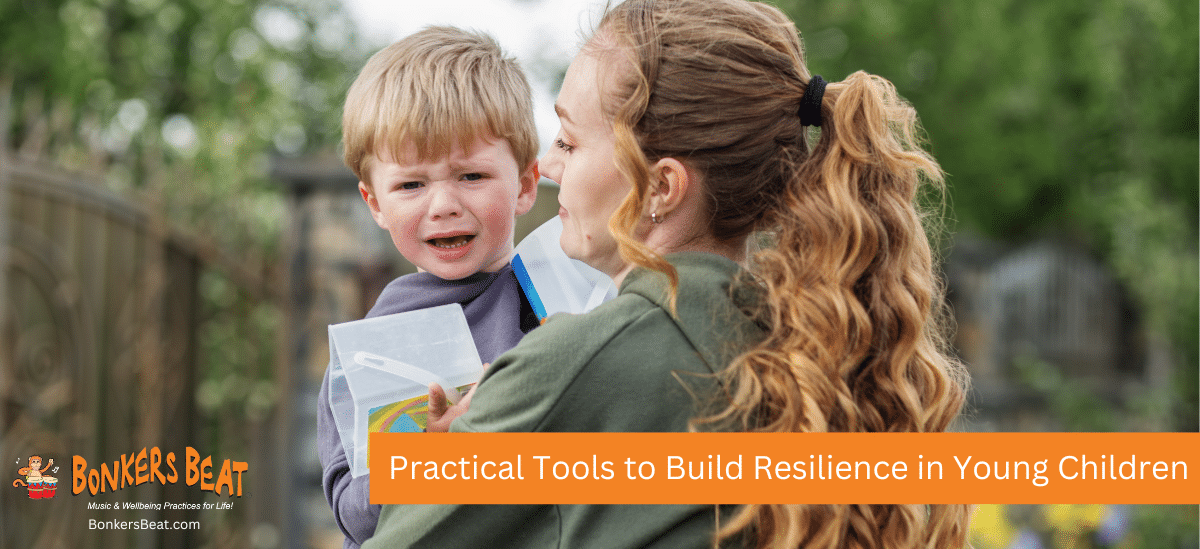
Children are always watching. They learn how to react to big feelings by seeing how we handle ours. Staying calm, even when things are tricky, helps show them that it’s possible to manage emotions without losing control.
Try this:
- Talk about your own feelings in real-time: “I’m feeling a bit flustered, so I’m going to take a breath.”
- Validate children’s emotions, even the messy ones. “It’s okay to feel upset — I’m here with you.”
- Use tone and body language to model calmness and connection.
Reflect together after tough moments
Some of the best learning happens after the moment has passed. Once children have calmed down, gentle reflection can help them understand what happened and think about what they might do next time.
Try this:
- Ask open questions like “What were you feeling when that happened?” or “What helped you feel better?”
- Help them name their feelings and actions.
- Reassure them that mistakes are part of learning and that it’s brave to try again.
Praise effort, not just outcomes
Resilience thrives when children feel seen and encouraged for trying, not just for succeeding. When we notice their perseverance and problem-solving, we help them value their own growth and grit.
Try this:
- Celebrate moments when they stick with something tricky.
- Use language like “You worked so hard on that” or “You kept trying even when it was hard.”
- Focus on progress and persistence, not perfection.
Resilience is built slowly, over time
Through thoughtful routines, warm role-modelling, and meaningful conversations, we can help children grow the confidence to face life’s ups and downs with strength and self-belief.
At Bonkers Beat, resilience and wellbeing are central to everything we do. Our programs support children, educators and families in building strong foundations for lifelong learning and emotional growth. You can learn more about them here.
What do you do to build resilience in children? We’d love to hear your ideas too, so share with us on social media.