
Restoring and Building New Routines in Early Childhood Education

Routines are the foundation of a well-functioning early childhood education setting. They provide children with a sense of security, predictability, and confidence in their environment. 

But what happens when routines are disrupted? Change is inevitable — whether due to transitions between age groups, holiday breaks, or changes within the centre or families. The key to supporting children and re-establishing and building effective new routines lies in a balance of structure, flexibility, and meaningful engagement.

The Importance of Routines for Young Children

Children thrive on consistency. Predictable routines help them feel safe, reduce anxiety, and improve their ability to self-regulate. In early learning settings, structured daily schedules allow children to anticipate what comes next, making transitions smoother and reducing behavioural challenges.

For families, routines at home contribute to smoother mornings, easier bedtimes, and an overall sense of harmony. When home and centre routines align, children feel more confident and connected between their two worlds.

How to Restore and Build New Routines

  • Start with What Works

If routines have been disrupted, reflect on what has worked well in the past. Engage your educators and families in discussions about which parts of the day children seem to respond to best. Maintain these successful elements while identifying areas that need adjustment.

  • Communicate Clearly

Children, educators, and families all need to understand the routines around them. Visual schedules, songs, and consistent language can be helpful to reinforce changes. Encourage parents to mirror centre routines at home where possible, making transitions smoother for children.

  • Make Transitions Easier with Music

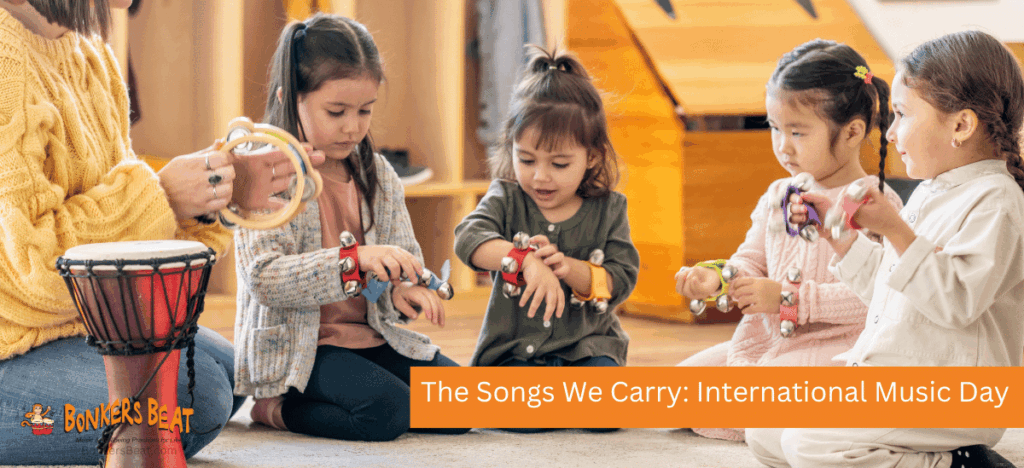
Music is a powerful tool for signalling transitions, calming emotions, and engaging children. Incorporate songs for morning welcomes, tidy-up times, and group activities. A well-placed song can help children understand what’s coming next and make the process more enjoyable!

  • Balance Structure with Flexibility

Routines should be predictable but not rigid. Be mindful of children’s needs and allow for flexibility. If a certain routine isn’t working, assess and modify it with input from educators and families. Children will adapt best when routines feel natural and supportive rather than enforced.

  • Prioritise Wellbeing Throughout the Day

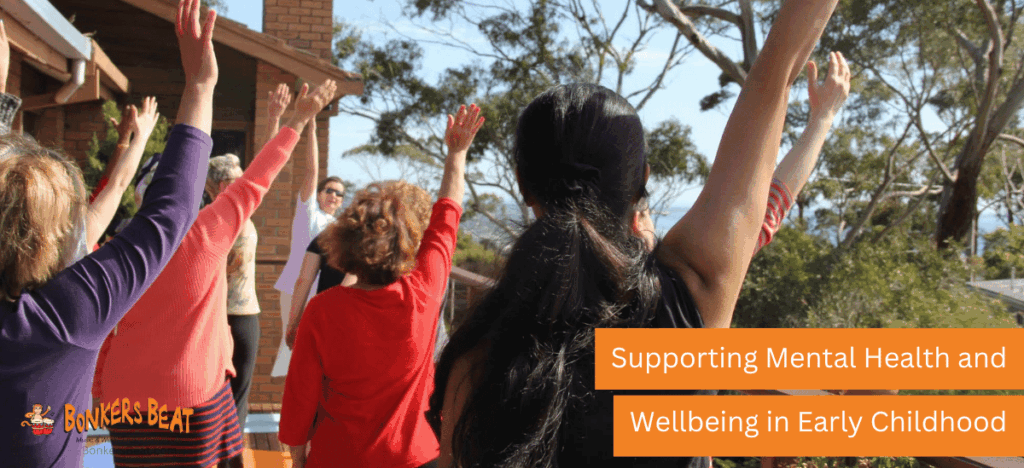
A strong routine isn’t just about getting through the schedule; it should support children’s overall wellbeing. Integrating mindfulness moments, movement breaks, and calming music into daily activities helps children regulate emotions and develop positive habits for life.

What Does This Look Like in Practice?

For early learning centres, this could mean:

  • A musical morning routine where children sing a hello song to start the day.
  • A mindful movement session mid-morning to reset energy levels.
  • Predictable meal and nap times reinforced with gentle music.
  • Music-assisted transitions (eg, a song to signal pack-up time).
  • Daily reflection time where children discuss their experiences and feelings.

For families, building and restoring routines might involve:

  • A consistent morning routine with music to ease transitions out the door.
  • A wind-down routine at night with calming music and predictable bedtime steps.
  • Regular family meal times to foster communication and security.

Supporting Educators, Centre Owners, and Families

Early childhood educators and centre directors play a vital role in guiding children and families through changes in routine. Open communication, collaborative planning, and the use of engaging tools like music and wellbeing practices can make the process smoother for everyone.

By restoring and building strong routines, we create environments where children feel safe, supported, and ready to learn. Plus, when music and wellbeing are a natural part of the day, they not only enhance learning but also bring joy, connection, and harmony to early childhood settings and homes alike.

Would you like to explore more ways to integrate music and wellbeing into your routines? Discover the Bonkers Beat programs and resources designed to support early childhood educators and families — start your free trial today!

Share This

Related Posts