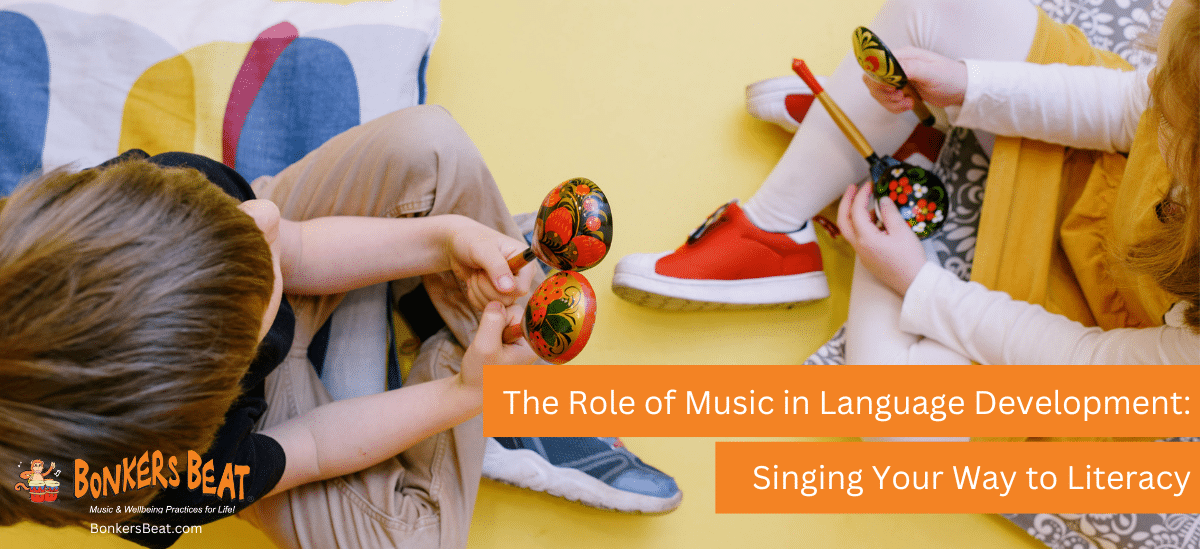
The Role of Music in Language Development: Singing Your Way to Literacy

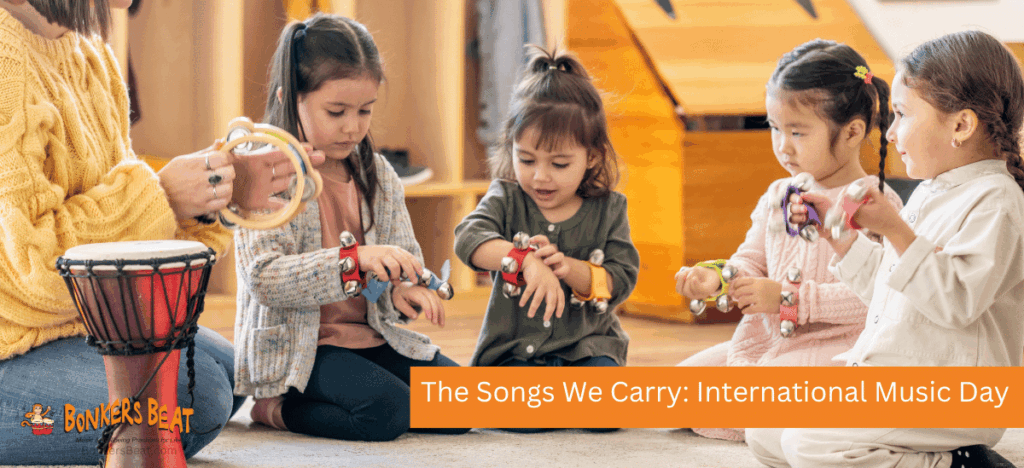
It’s no secret that children love music. Whether they’re humming a familiar tune, clapping along to a beat, or making up silly songs of their own, music is a natural and joyful part of life and especially early childhood. 

But did you know that musical activities can also play a powerful role in developing language and literacy skills?

At Bonkers Beat, we’ve long believed in the magic of music. And when it comes to supporting children’s language acquisition, singing and rhythm-based play are more than just fun — they’re essential tools for communication, comprehension and confidence.

Why Music Works

Music engages multiple areas of the brain simultaneously including those responsible for language, memory, and emotional processing. 

When children sing, they’re not only expanding their vocabulary, but also practising sentence structure, rhyme, rhythm and sound patterns. These are all foundational elements for strong literacy skills later on.

Songs also offer repetition, which is key for learning new words and phrases. Think of classic children’s tunes like Twinkle Twinkle Little Star or Old MacDonald Had a Farm — the repetitive structure helps children anticipate and recall lyrics, improving memory and listening skills.

Practical Ways to Use Music for Language Development

Here are some simple and effective ways to sing your way to literacy:

  • Name Songs: Use songs that include children’s names to encourage recognition and personal connection. Try: “Who’s here today? Let’s say their name!”
  • Action Songs: Songs like “If You’re Happy and You Know It” combine physical movement with language cues, reinforcing understanding of action words and instructions.
  • Story Songs: Turn favourite books into songs, or choose songs that tell a story. This supports narrative understanding and builds sequencing skills — important stepping stones to reading comprehension.
  • Rhyme Time: Rhyming songs and fingerplays, such as “Five Little Ducks” or “Down by the Bay”, are excellent for phonemic awareness. The more children can hear, predict and play with sounds, the stronger their literacy foundation becomes.
  • Sing in Different Languages: Including songs in other languages expands vocabulary and cultural awareness — plus it’s a lot of fun!

Music: A Universal Language of Learning

Whether you’re an educator, a parent, or both, incorporating music into your daily routine doesn’t have to be complicated. A few minutes of singing each day can make a world of difference — sparking language development and building joyful connections in the process.

At Bonkers Beat, our award-winning programs are built around the power of music to support the whole child. We’ve seen firsthand how consistent, purposeful musical experiences can boost language, literacy, and so much more.

Want to learn how to bring more music into your early learning environment?

Explore our programs today and discover the Bonkers Beat difference. Click here to learn more and join our community of inspired educators and families!

Share This

Related Posts