
Creative Arts & Expression: How Music, Art & Dance Shape Early Learning

In early childhood education, the creative arts — music, art, and dance — are more than just enjoyable activities. They can play a crucial role in fostering cognitive and emotional development in young learners. 

By integrating these forms of expression into the curriculum, educators can offer children unique opportunities to explore, understand, and communicate their feelings and ideas. 

Let’s look at why creative arts matter and some engaging activities to bring them to life in your classroom.

The Impact of Creative Arts on Early Childhood Development

Why are music, art, and dance so essential for young children’s development?  

Creative arts go beyond fun and games, providing children with powerful tools to enhance their thinking, express their emotions, and connect with others. Each art form can go a long way toward supporting key developmental milestones.

Cognitive Growth  

Engaging in creative arts builds fundamental skills such as memory, attention, and spatial awareness. When children learn to follow a rhythm in music, create patterns in art, or move in sync with a dance, they’re developing their ability to think in sequences, recognise patterns, and problem-solve.

Emotional Expression  

For young children, verbalising emotions can be challenging. Art, music, and dance provide outlets for self-expression. Creating art or moving to music allows children to explore and communicate their emotions in a safe, non-verbal way. This helps them build emotional awareness and resilience from a young age.

Social Skills  

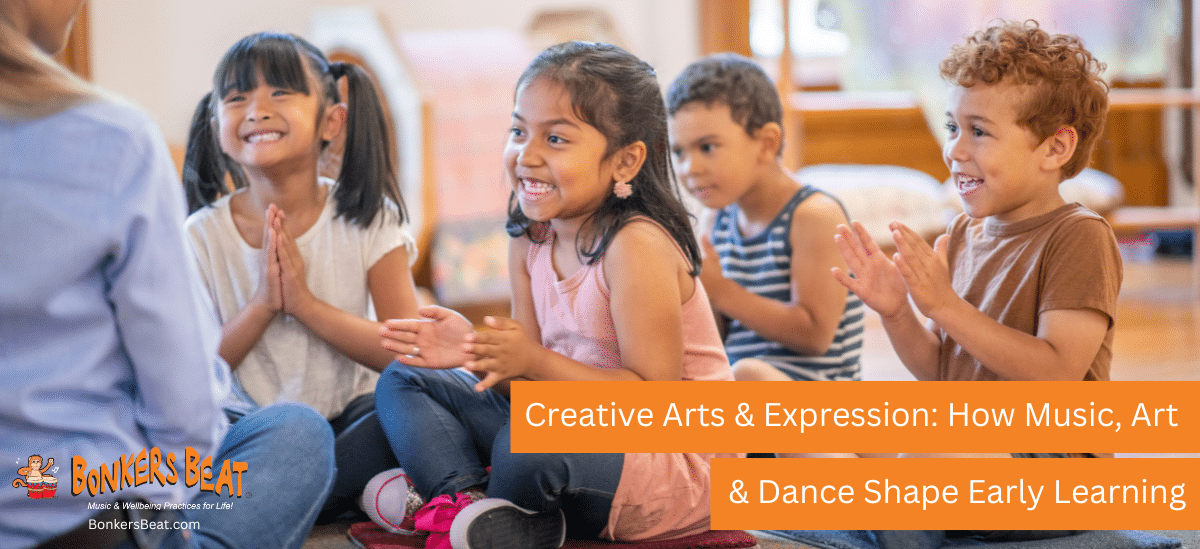
Collaborative art projects, group music sessions, and team dances encourage children to work together, share, and communicate. These group activities foster empathy and cooperation, helping children develop social skills essential for lifelong success.

Integrating Creative Arts into Your Curriculum

Wondering how to incorporate music, art, and dance into daily activities?  

Here are some simple yet impactful ways to bring creativity into your classroom and help young children develop through hands-on, arts-based activities.

  1. Music Exploration  

Activity: Sound and Rhythm Circle  

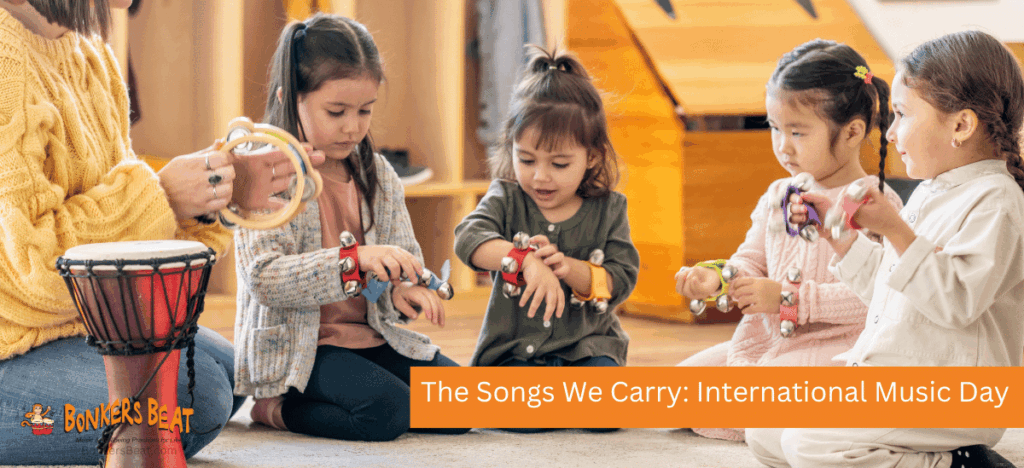
Gather children in a circle with simple instruments like tambourines, shakers, and bells. Introduce a rhythm, and let each child join in, adding their unique sound. This activity encourages listening, turn-taking, and rhythm recognition.

  1. Art and Self-Expression  

Activity: Nature Art Collage  

Take the children on a nature walk to collect leaves, flowers, and sticks. Once back in the centre, let them create art pieces using their findings. This hands-on activity connects them to nature while promoting fine motor skills and creativity.

  1. Dance and Movement  

Activity: Dance Storytelling  

Choose a simple story and encourage the children to act it out through dance. For instance, they could dance like animals in a jungle or waves in the ocean. This helps them develop coordination while enhancing their ability to interpret and express ideas through movement.

Supporting Creative Arts in Your Classroom

You don’t need special tools to make art a regular part of learning. Creative arts can thrive in any classroom, using everyday items and simple activities to foster imagination. By embedding art, music, and dance into learning, you’ll enrich your classroom environment and support children’s holistic growth.

At Bonkers Beat, we believe in the power of creative expression to build a well-rounded educational experience. This is why our programs and resources are designed to support educators in bringing the arts into their classrooms in meaningful ways. 

Ready to bring creativity into your classroom? Check out Bonkers Beat programs to support and elevate your early childhood education approach.

And don’t forget that you can now apply for Bonkers Beat Programs through School Readiness Funding and Kindy Uplift!

Share This

Related Posts