
Social Development for Early Learners: Collaboration & Communication

Social skills form the foundation for lifelong success, enabling children to navigate relationships, solve problems, and communicate effectively. 

In early childhood education, nurturing these skills through collaborative play, sharing, and communication helps children learn to work together, empathise, and express themselves.

The Role of Collaborative Play

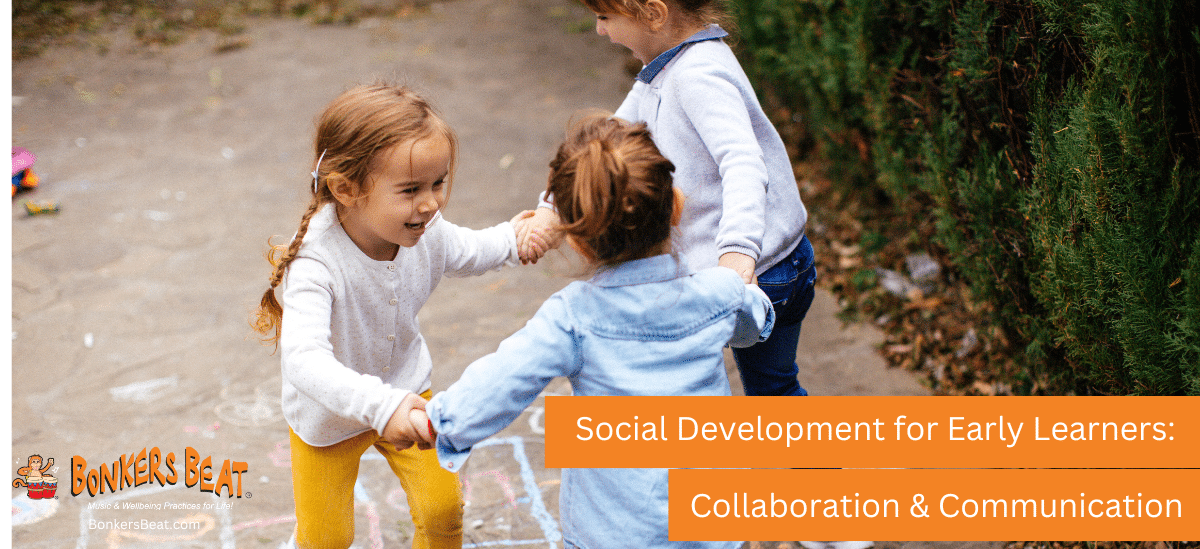
Collaborative play allows children to interact with peers, develop patience, and learn how to compromise. Educators can foster these skills by encouraging group activities like building projects, role-playing, or shared games where children must work together to achieve a common goal. 

Through these experiences, children gain an understanding of teamwork and shared responsibility.

Sharing and Turn-Taking

Sharing is a critical aspect of social development. While it may not come naturally to young children, educators can guide them by modelling positive behaviours and setting clear expectations. 

Simple activities like passing objects during circle time or sharing art supplies can offer children opportunities to practise sharing. Reinforcing these behaviours with praise when children share or take turns encourages them to continue.

Building Communication Skills

Communication is key to forming relationships, and educators play a crucial role in helping children develop these abilities.

Create a language-rich environment by engaging children in conversation, asking open-ended questions, and encouraging them to express their thoughts and feelings. This not only boosts language development but also helps children articulate their needs and resolve conflicts through dialogue.

Tips for Educators and Parents to Support Social Development

  1. Model positive social interactions: Children learn by observing adults. Demonstrating respectful communication and collaboration helps them understand how to interact with others.
  1. Create structured group activities: Organise tasks that require teamwork, such as building a block tower or completing a puzzle together.
  1. Encourage emotional expression: Help children recognise and express their feelings, providing language and strategies for managing emotions in social settings.
  2. Guide conflict resolution: Teach children to solve disagreements by talking through their issues and finding solutions together.

Bonkers Beat Resources Can Help!

At Bonkers Beat, we are committed to supporting educators and parents with practical resources to foster social skills development in early learners. 

Due to the effectiveness of enhancing vital skills in children, the Bonkers Beat programs have been selected and included in the School Readiness Funding Menu in Victoria and Kindy Uplift program in Queensland.

To explore and enquire about these programs, click here. 

You can also explore our range of downloadable tools. Many of these are designed to promote collaboration, communication and emotional wellbeing in children — it’s all available in the Bonkers Beat shop, including many free resource packs as well!

Share This

Related Posts