
Music is often seen as a fun extra in early childhood settings. Something children enjoy between ‘real’ learning. And fun it is! But beyond the enjoyment, music can genuinely do some of the heaviest lifting when it comes to brain development for children.
From birth through the early years, the brain develops at an extraordinary rate. The fastest than any other period in our lives!
During this period, repeated sensory experiences build the neural pathways that support communication, self-regulation, memory, and social understanding. This is where music is unique. It activates all of these systems at the same time, making it one of the most powerful learning tools available to both educators and families.
Music Builds the Brain
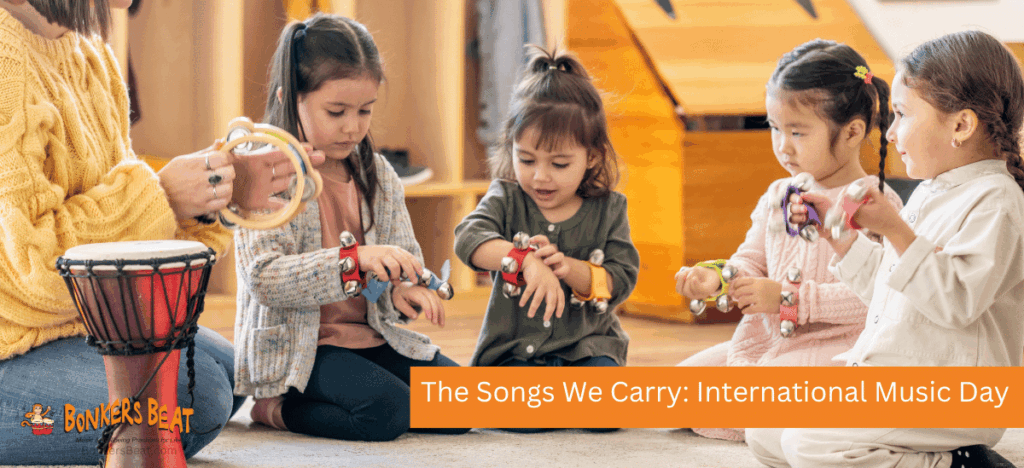
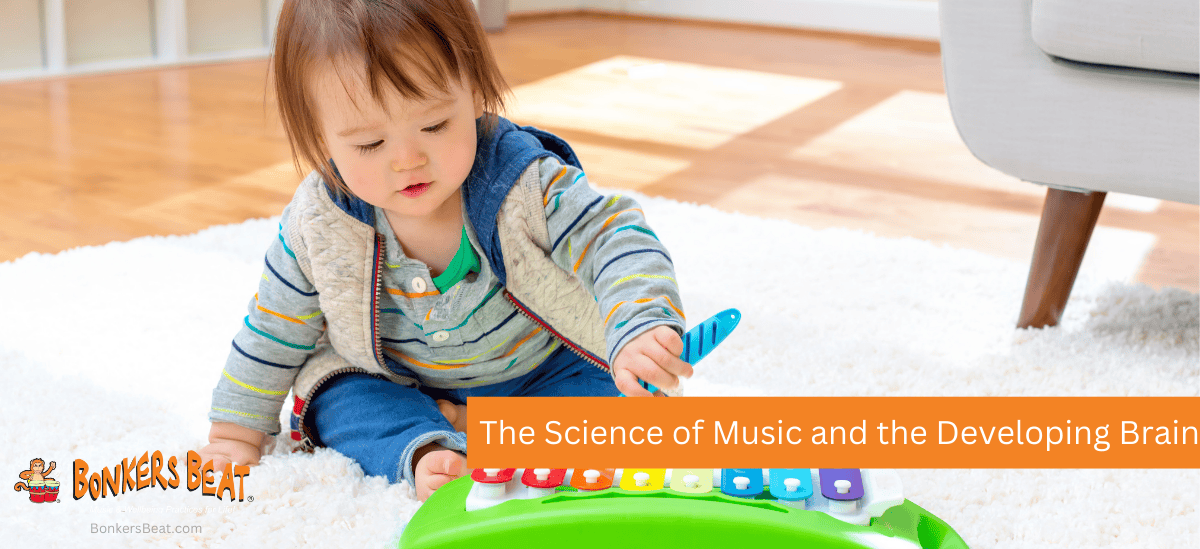
When children engage in music, whether it’s singing, clapping, playing drums or moving to rhythm, multiple areas of the brain fire simultaneously:
- Auditory processing (listening and distinguishing sounds)
- Motor coordination (movement and timing)
- Memory and sequencing
- Emotional processing
- Attention and impulse control
Unlike many activities that stimulate one or two regions, music requires the brain to coordinate across both hemispheres. This strengthens neural connections and improves the efficiency of how children process information.
In simple terms: music helps the brain wire itself for learning.
The Language Connection
Long before children read or write, they learn language through patterns and rhythm. Music mirrors the structure of speech:
The steady beat in music helps children recognise syllables within words. Changes in pitch support expression and meaning, just like tone of voice in conversation. Repetition strengthens vocabulary retention, while rhymes build the ability to hear and use sounds in words.
Songs effectively slow language down into predictable, repeated patterns, allowing children to hear sounds clearly and practise them safely.
You may notice children sing words before they confidently speak them. This is because melody provides a scaffold! The brain stores and retrieves musical information more easily than spoken information alone.
For children developing communication skills, music becomes a bridge between listening and speaking.
Cognitive Development and Memory
Music strengthens executive functioning the set of mental skills used for following instructions, focusing attention, remembering information and problem solving.
When children learn action songs or rhythmic patterns, the brain is learning how to hold information and act on it: a foundational skill for literacy and numeracy.
Importantly, this learning feels effortless to the child because it is embedded in play.
Emotional Intelligence and Regulation
Early childhood is not just about learning information but also learning how to manage feelings.
Music supports emotional development by allowing safe emotional expression, helping children recognise mood through tone and tempo and encouraging connection with others.
Group music experiences also teach empathy. Children must listen, wait, respond and cooperate: all key components of social competence.
Many educators observe that after a shared music session, children are calmer, more attentive and more cooperative. This is not coincidence… Rhythm helps regulate the nervous system too.
Why Music Belongs at the Centre of Learning
Music is not an “extra” in early childhood education.
It is a foundation that supports:
- Communication
- Confidence
- Behaviour regulation
- Social skills
- Readiness for school learning
Musical experiences provide structured opportunities for whole-brain development in a way children naturally engage with.
Experience It Firsthand
At Bonkers Beat Music Kinder in Aspendale (and the Bonkers Beat programs) music is woven into learning intentionally to support language, confidence and emotional development, not just entertainment.
Families are warmly invited to see how this looks in practice at our upcoming tours on Friday 6 February and Thursday 12 February.
Here are the details: click here.
Book today. We’d love to show you how music can support your child’s development every day.