
World Environment Day: Growing Minds, Growing World

Every year on June 5, World Environment Day invites us to pause and reflect on the world we’re shaping, not just for ourselves, but for the children growing up in it.

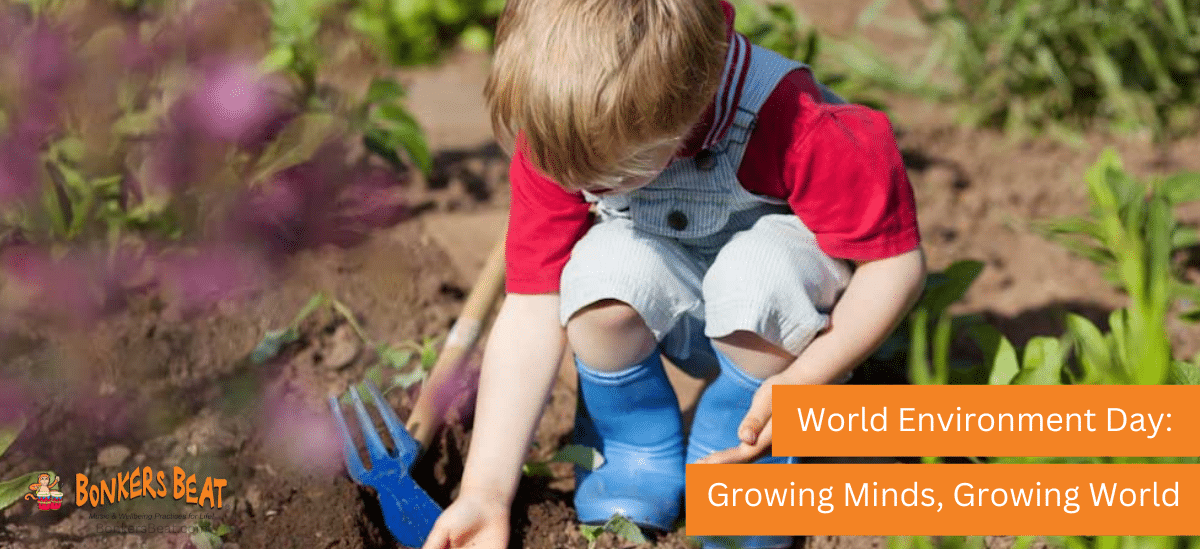
In early childhood, that reflection looks a little different. It sounds like a child excitedly pointing out a worm in the garden. It looks like a bunch of little hands pressing seeds into soil. It feels like bare feet on grass and the joy of crunching autumn leaves!

These moments matter more than we might realise. The values, habits, and sense of wonder that children develop in their earliest years lay the foundation for how they’ll relate to the world for the rest of their lives. World Environment Day is a perfect reminder and a wonderful opportunity to nurture that connection intentionally.

The World They Inherit Starts With What We Plant Now

Rather than lead with news of climate reports, let’s help children feel connected to the environment. 

Put it this way:
When a child waters a plant and watches it grow, they’re learning responsibility.
When they sort recycling or turn off a tap, they’re practising mindfulness and care. When they lie in the grass and watch clouds drift by, they’re building a relationship with the natural world.

Environmental education in early childhood isn’t about introducing big problems but about fostering big positive feelings toward nature: wonder, belonging, stewardship, and happiness.

Simple Ways to Mark World Environment Day with Children

You don’t need elaborate plans for World Environement Day. In fact, some of the most powerful environmental learning happens through everyday experiences.

Go on a Nature Treasure Hunt: Head outside and invite children to observe their surroundings: leaves, textures, sounds, smells, and shadows. Slow down, look closely, and let curiosity lead the way. Draw pictures after or create a little collection to enjoy in rooms.

Plant Something Together: Seeds, seedlings, herbs or succulents on a windowsill. It doesn’t matter how big or small. Any type of gardening teaches children about growth, patience, and the magic and connection between all living things.

Get Creative with Recycled Materials: Cardboard tubes, bottle caps, old fabric, egg cartons – give children these materials and watch them build, make, and imagine. Sustainability and creativity go hand in hand.

Talk About Water: Simple, honest conversations about where water comes from and why we take care of it can spark genuine curiosity in young children. Collecting rainwater, watering plants together, or simply turning off the tap: small habits, big lessons.

Simply Go Outside: Sometimes the most powerful thing we can do is step away from the planned activity and let children explore freely in nature! Outdoor play builds curiosity, resilience, creativity, and a deep sense of connection to the living world.

Every Small Action Counts

World Environment Day reminds us that positive change begins with small, consistent steps. And you might just find that the smallest people among us are often the most enthusiastic about taking them!

By helping children connect with nature, celebrate the living world, and develop habits of care, we’re not just marking a date on the calendar. We’re planting something that will grow long after the day is done.

Music helps children connect emotionally with important concepts while making learning memorable and enjoyable. Whether it’s through singing, movement, rhythm, or group participation, children learn best when they are actively engaged.

Explore the Bonkers Rap resource here: https://www.bonkersbeat.com/product/bonkers-rap/

As we celebrate World Environment Day, let’s keep inspiring children to explore nature, care for the world around them, and develop habits that support a healthier future for everyone

Share This

Related Posts