

Supporting Mental Health and Wellbeing in Early Childhood Education

Educators spend a lot of time helping children with feelings big and small. As we get to know each child, we learn what helps them settle and notice when they might need a bit more support.

What helps a child one day might be different the next. Paying attention to those changes, and being willing to adjust, is part of supporting their mental health and wellbeing.

Start with a sense of belonging

Children need to know there is someone they can turn to when things feel difficult. A warm welcome, remembering what a child told you yesterday and taking their concerns seriously all help build that trust.

Belonging also means seeing their family, culture and ways of communicating respected within the learning environment. Learning a greeting or a song in a child’s home language or making an activity accessible to them can help communicate that they have a place here.

Helping children through big feelings

Young children are still learning how to understand and manage their emotions. They often need a calm adult alongside them before they can work through what has happened.

This shared support is known as co-regulation. It might involve staying nearby, speaking gently and acknowledging a feeling: “You really wanted another turn. I’m here to help.”

We can accept the feeling while maintaining clear boundaries: “It’s okay to feel angry. I won’t let you hit.” Once the child feels calmer, there is more opportunity to talk about what they could try next time.

Make room for play and expression

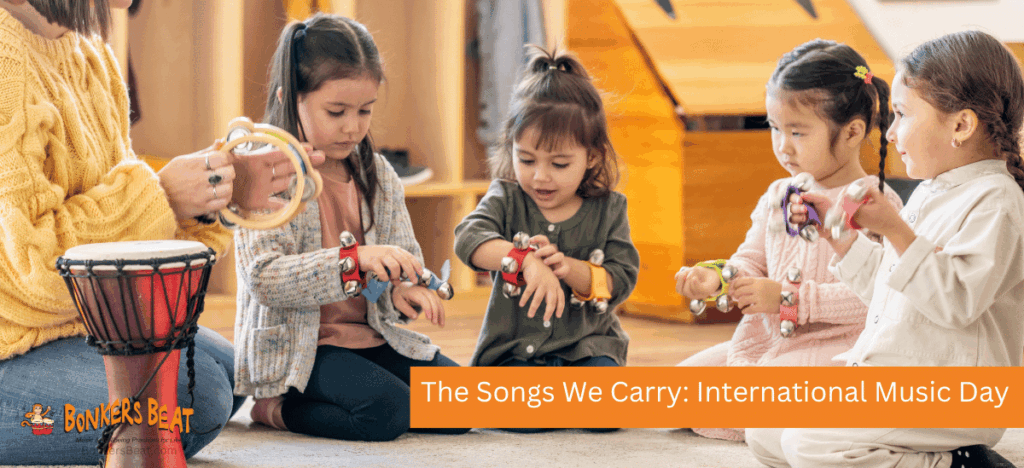
Play gives children ways to explore feelings, even when they do not yet have the words to explain them. Music offers opportunities for expression and connection too.

A few simple ideas to try:

  • Use puppets to act out everyday situations, such as joining a game or asking for a turn.
  • Invite children to draw how they feel, with time to talk about their picture if they choose.
  • Sing a familiar song together, or let children choose one to share with the group.
  • Explore how different music makes us want to move, from energetic dancing to gentle swaying.

Keep participation flexible. A child may want to watch before joining in, or prefer a quieter experience. Following their cues helps keep the invitation comfortable.

Create a rhythm children can rely on

Familiar routines and gentle preparation for transitions can help children know what to expect. Allowing time to finish an activity, or explaining what will happen next, can make changes easier to navigate.

Build opportunities for rest and quieter play into the day. A book, gentle stretching or a short breathing activity may suit different children. Consider individual sensory needs, including noise levels, and keep adult support available when a child uses a quiet space.

Keep families part of the conversation

Families bring valuable knowledge about their children. Asking what helps at home and sharing what you notice at the service can help everyone respond more consistently.

If a child shows ongoing changes in their behaviour, relationships or participation, document your observations and discuss them sensitively with families and your service leader. Consider the child’s development and circumstances, and follow your service’s processes to help the family access further support when needed.

Give educator wellbeing attention too

Educators put a lot of energy into caring for children. On a busy day, there can be very little time to pause or check in with how they are feeling themselves.

Having a proper break or being able to talk through a difficult moment with a colleague can make the day more manageable. Support needs to be available within the service, where educators can access it when they need it.

Service leaders can help by:

  • Protecting breaks and ensuring educators have cover to take them.
  • Making time for supportive conversations after challenging situations.
  • Reviewing workloads and following up when team members are feeling stretched.

Music and wellbeing experiences can offer enjoyable moments for educators too. Joining in with a favourite song, taking a gentle stretch or practising a few slow breaths may provide a welcome pause during the day.

Regular conversations about wellbeing help leaders understand what their team needs. Following those conversations with practical changes shows educators that their concerns have been heard.

At Bonkers Beat, music and wellbeing are woven into everyday learning. To explore practical ways to bring these experiences into your centre’s daily routines, learn more here and get in touch with the Bonkers Beat team.

Share This

Related Posts