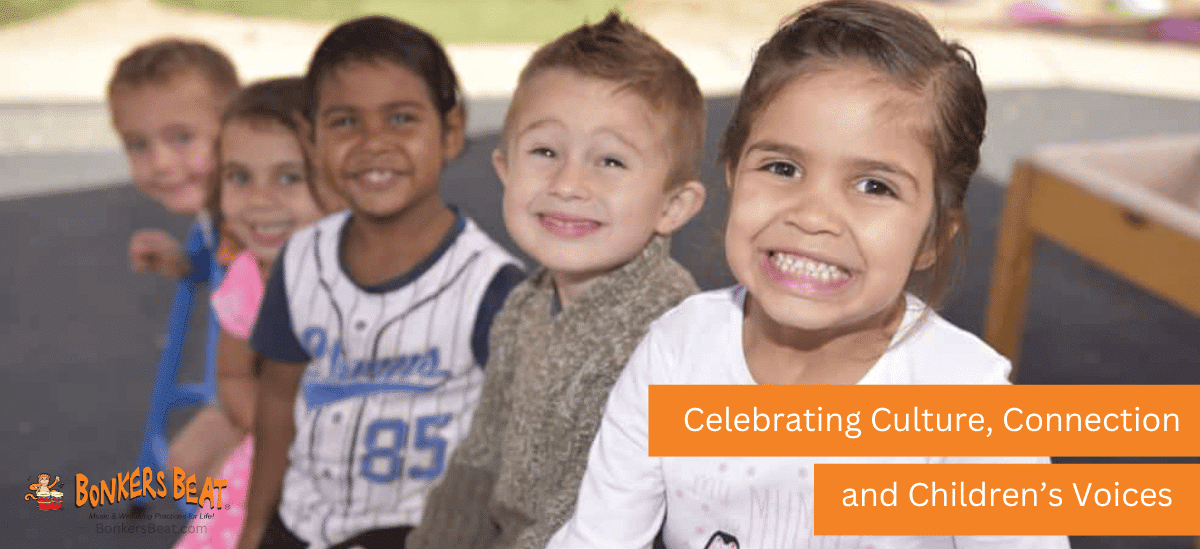
Celebrating Culture, Connection and Children’s Voices

Communities across Australia will come together next Tuesday 4 August for National Aboriginal and Torres Strait Islander Children’s Day.

Led by SNAICC: National Voice for our Children, the day is all about celebrating the strength, pride and potential of Aboriginal and Torres Strait Islander children, and the importance of growing up connected to culture, family, community and Country.

The theme for 2026 is Living Our Truth. It honours truth-telling, the sharing of knowledge across generations and the right of Aboriginal and Torres Strait Islander children, families and communities to tell their own stories in their own words.

A day with deep significance

National Aboriginal and Torres Strait Islander Children’s Day was first established in 1988.

The date of 4 August carries particular significance. It was historically used as a shared birthday for Aboriginal and Torres Strait Islander children of the Stolen Generations who had been forcibly removed from their families and did not know their birth dates.

Today, the date has been reclaimed as a time of truth-telling, remembrance, strength and hope. It affirms the right of every Aboriginal and Torres Strait Islander child to grow up safe, supported and connected to family, community, culture and Country.

Making space for children’s voices

At the heart of Children’s Day is a simple but powerful message: Aboriginal and Torres Strait Islander children deserve to be seen, heard and celebrated.

The 2026 theme invites us to think about whose voices, stories and knowledge are present in children’s everyday lives.

-Do the books on our shelves include stories written and illustrated by Aboriginal and Torres Strait Islander creators?
-Do children see First Nations cultures represented as living, diverse and continuing?
-Are local voices and perspectives helping to shape what children learn?

These questions matter in early learning environments and they matter at home, too.

The stories, music, conversations and experiences children encounter all contribute to the way they understand culture, identity and belonging.

Celebrating with care and connection

Children’s Day celebrations may include storytelling, music, art, language, play or time spent connecting with community. What matters is that activities are respectful, authentic and grounded in local culture.

Some meaningful ways to recognise the day include:

  • Sharing books created by Aboriginal and Torres Strait Islander authors and illustrators. The featured Children’s Day book for 2026 is The Moon Story, written in Kriol and English by First Nations author Marshia Cook and illustrated by her son, Tamua Nuggett.
  • Listening to music by Aboriginal and Torres Strait Islander artists and learning about the people, language and Country connected to it.
  • Inviting children to share the people, places, stories and experiences that are important to them.
  • Attending a local Children’s Day event as a family or early learning community.
  • Connecting with local Aboriginal and Torres Strait Islander organisations, Elders, families and community members when planning celebrations.
  • Exploring the official Children’s Day resources developed by SNAICC.

Local relationships should always guide the way culture is shared. Aboriginal and Torres Strait Islander cultures are not one single culture, and celebrations should reflect the knowledge, language and priorities of the local community wherever possible.

At Bonkers Beat, we believe music, movement, storytelling and play can help children express who they are and build a strong sense of confidence and belonging. Children’s Day reminds us to consider where those stories come from, who is telling them and whether every child can recognise that their identity and voice are genuinely valued.

This 4 August, let’s celebrate Aboriginal and Torres Strait Islander children as they are today: strong, proud, curious and connected, with stories worth hearing and futures full of possibility!

Share This

Related Posts