
October is Mental Health Month — a time to highlight the importance of mental health and wellbeing in all areas of life, including early childhood education.
For educators, children, and their families, mental health is a key factor in ensuring positive outcomes, both in learning and overall wellbeing. Creating an environment that supports mental health in early learning centres is crucial for fostering a balanced and thriving community.
Why Mental Health Matters in Early Childhood
Mental health in early childhood forms the foundation for a child’s emotional, cognitive, and social development. Children who feel supported and emotionally secure are more likely to engage in learning, build positive relationships, and develop resilience.
Meanwhile, educators are the backbone of this environment, and their mental wellbeing is equally important. When educators feel supported and balanced, they can provide the best care, guidance, and education to children in their care.
Strategies to Foster Mental Health and Wellbeing
Here are some effective strategies to create a mentally healthy and supportive environment in early learning centres:
- Build Emotional Literacy
Teaching children to recognise and express their emotions helps them manage feelings in a healthy way. Simple practices like encouraging children to talk about their day, identifying emotions, or using feelings cards can create emotional awareness from a young age.
- Mindfulness in Daily Routines
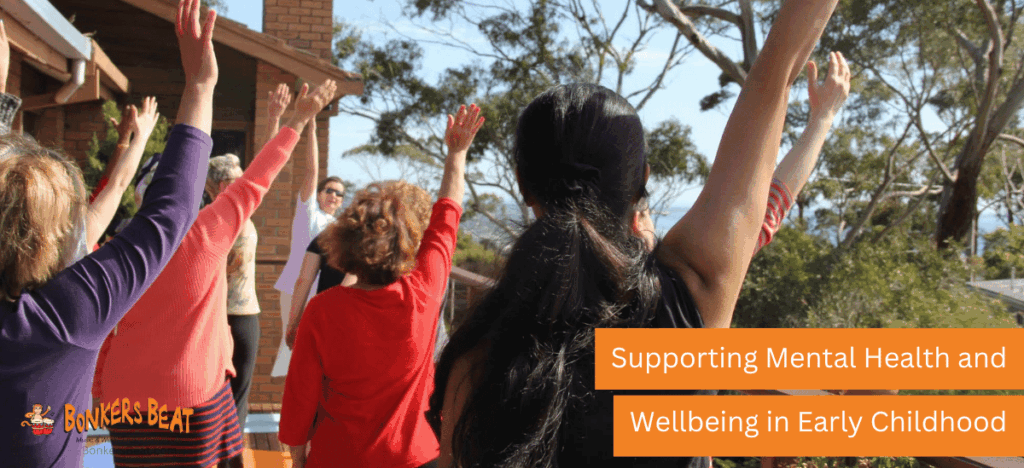
Integrating mindfulness exercises into daily routines can support both children and educators. Mindfulness activities, such as breathing exercises, yoga, guided meditations, or mindful movement, reduce stress, improve focus, and create calm environments.
- Open Communication
Establishing open lines of communication between staff, children, and families builds trust and strengthens emotional support networks. Regular check-ins, whether in staff meetings or with children and their families, ensure everyone feels heard and supported.
- Physical Wellbeing Supports Mental Wellbeing
Physical activity plays a crucial role in supporting mental health. Daily outdoor play and physical movement should be encouraged to allow children and educators to release stress, stay active, and engage with the environment around them.
- Create a Positive Work Culture for Educators
Supporting educators’ mental health is equally important. Creating a supportive workplace culture through professional development opportunities, mentoring, and regular mental health check-ins will enhance their wellbeing and, in turn, benefit the children they care for.
How Bonkers Beat Programs Support Wellbeing
At Bonkers Beat, our programs are designed with mental health and wellbeing at their core.
Through music, yoga, and mindfulness, we equip educators and children with the tools they need to support emotional balance, focus, and resilience.
By fostering both individual and group wellbeing, Bonkers Beat ensures that early learning environments can become thriving communities where mental health is prioritised.
Whether you’re a centre owner, director, educator, or parent, Bonkers Beat can support you in creating a nurturing, mentally healthy environment for everyone involved.
Learn how Bonkers Beat programs can support wellbeing in your centre at www.bonkersbeat.com. Don’t forget to take a look at our resources too — we have yoga cards, guided meditations, emotions cards and more to help you prioritise mental health.